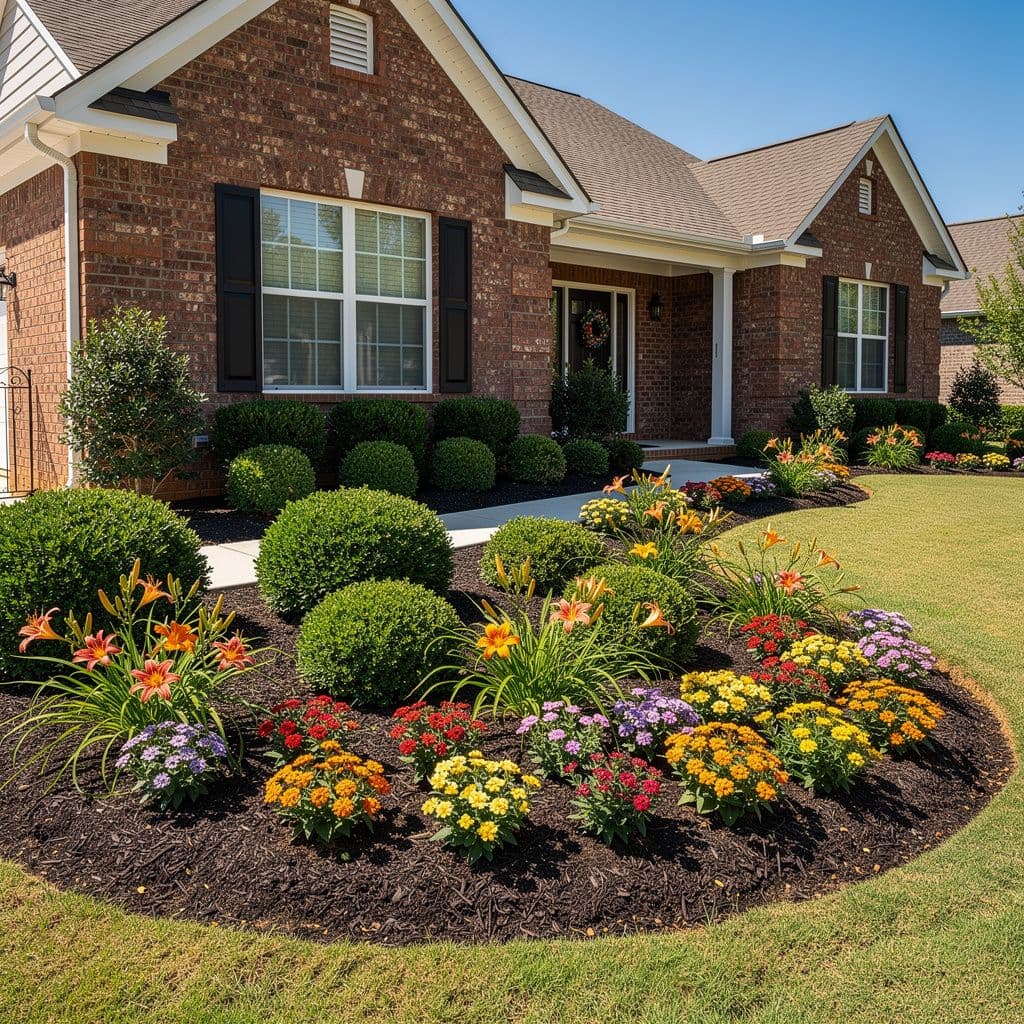
Flower Bed Landscaping in Henry County: A Complete Design, Installation & Maintenance Guide
Published: June 17, 2026
A well-designed flower bed does something remarkable for your property. It takes an ordinary stretch of grass and turns it into a landscape — something with structure, color, and intention. Something that makes people slow down as they walk by. Something that makes your home look cared for in a way that plain grass, no matter how green, simply can't match.
If you've been searching for "landscaping near me" in Henry County, there's a good chance flower beds are part of what you have in mind. Maybe you want to frame your front entrance with color. Maybe you're tired of mowing right up against your foundation. Maybe you just moved into a new construction home in Hampton or Locust Grove and the builder left you with a bare yard and zero character.
Whatever brought you here, this guide walks you through everything you need to know about flower bed landscaping in Locust Grove, McDonough, Stockbridge, and throughout Henry County — from design principles and plant selection to installation, costs, and year-round maintenance.
If you'd rather have professionals handle the design and installation, call Hedgecoth Property Solutions at 770-490-9519 or reach us through our contact page. We provide complete landscaping and property maintenance services across Henry County.
Why Flower Beds Matter for Henry County Properties
Flower beds aren't just decorative. They serve practical purposes that improve your property's function and value.
Curb Appeal That Actually Sells
The National Association of Realtors consistently ranks landscaping as one of the top investments for home resale value — and flower beds are among the highest-ROI landscaping features you can add. A well-maintained front yard with structured beds, healthy plants, and fresh mulch signals to buyers that the home has been cared for inside and out.
In Henry County's competitive real estate market — where homes in McDonough, Stockbridge, and Locust Grove regularly receive multiple offers — the difference between a house with mature, well-designed landscaping and one with a bare yard can be thousands of dollars in sale price.
Reducing Maintenance Where It Counts
Strategic flower beds actually reduce your lawn maintenance. Grass growing against foundations, fence lines, and tree trunks is harder to mow and trim. It's where weed trimmers nick siding, where mowers scalp soil, and where edging takes extra time. Replacing those difficult strips with mulched beds eliminates the problem entirely.
For homeowners who use professional lawn care services, well-placed beds can actually lower your service costs by reducing the time it takes to maintain difficult areas.
Erosion and Drainage Control
Henry County's clay soil and rolling terrain make erosion a real concern, especially on sloped properties near the South River, in the hills around Hampton, or on the graded lots of newer subdivisions. Flower beds with deep-rooted perennials, shrubs, and ground covers help stabilize soil and absorb runoff far better than turf grass alone.
If you have areas where water pools after rain — a common problem in McDonough and Stockbridge neighborhoods — a properly designed rain garden bed can manage drainage while looking beautiful. See our guide on yard drainage solutions for more on managing water issues.
Planning Your Flower Bed: Design Principles
Good flower beds don't happen by accident. They start with a plan — one that considers your home's architecture, your yard's conditions, and the amount of maintenance you're willing to commit to.
Location: Where Flower Beds Work Best
The most impactful flower bed locations for Henry County homes include:
Foundation Beds — Running along the front of your house, these beds soften hard edges, hide utilities, and create a polished, finished look. Keep beds at least 18 inches from your foundation to prevent moisture issues, and choose plants that won't grow tall enough to block windows.
Entryway Beds — Flanking your front walkway or porch steps, these beds draw the eye to your entrance and create a welcoming first impression. This is where you put your best-looking plants — seasonal color, interesting textures, and specimen plants.
Corner Beds — At the corners of your house or property, curved corner beds break up straight lines and create visual interest. These are great spots for larger shrubs and layered plantings.
Island Beds — Freestanding beds in the middle of your lawn, usually around a tree or as a standalone feature. Island beds work well on larger properties common in rural areas of Locust Grove and Hampton.
Border Beds — Running along fence lines, driveways, or property edges. These beds define boundaries and can incorporate larger shrubs for privacy.
Sun and Shade Assessment
Before choosing plants, spend a day tracking sunlight in your yard. Henry County's mature trees — especially in established McDonough and Stockbridge neighborhoods — create shade patterns that change throughout the day.
- Full sun (6+ hours): Most flowering perennials and annuals thrive here
- Part sun (4-6 hours): Many shrubs and mixed plantings do well
- Full shade (less than 4 hours): Requires shade-specific species like ferns, hostas, and certain ground covers
Don't fight your yard's natural conditions. If you have massive oaks shading your front yard — common in older McDonough neighborhoods near Lake Dow — design shade beds instead of trying to force sun-loving plants that will struggle.
The Layering Principle: Tall, Medium, Low
Professional landscape designers think in three layers:
- Background (tall): Shrubs and small trees — 4-8 feet. These provide structure year-round. Think hollies, boxwoods, ligustrum, or crepe myrtles.
- Midground (medium): Perennials and medium shrubs — 1-3 feet. These add color and texture. Consider daylilies, lantana, azaleas, or ornamental grasses.
- Foreground (low): Ground covers, low perennials, and annuals — under 1 foot. These fill gaps and provide seasonal color. Liriope, creeping jenny, impatiens, or petunias.
Layering creates depth and visual interest. Without it, a flower bed looks flat — a single row of plants that all top out at the same height. With it, your bed looks designed, intentional, and professional.
Plant Selection for Henry County, GA
Henry County sits in USDA Hardiness Zone 8a, which means winter lows can reach 10-15°F. Your plant choices need to handle that range — plus Georgia's brutal summer heat, humidity, and clay soil.
Shrubs That Thrive in Henry County
Shrubs form the backbone of your flower beds. Choose wisely and they'll provide structure for years with minimal maintenance.
Evergreen Shrubs (Year-Round Structure):
- Boxwood — Classic, formal, tolerates pruning beautifully
- Holly (varieties like Dwarf Burford or Carissa) — Tough, drought-tolerant once established
- Loropetalum — Purple foliage adds color contrast, very low maintenance
- Juniper — Excellent for slopes and full-sun areas, drought-tolerant
- Tea Olive — Fragrant fall flowers, great near entryways
Flowering Shrubs (Seasonal Color):
- Azalea — Spring color, shade-tolerant, a Southern classic
- Crepe Myrtle (dwarf varieties) — Summer blooms, exfoliating bark
- Gardenia — Intoxicating fragrance in early summer
- Butterfly Bush — Attracts pollinators, blooms all summer
Perennials That Come Back Stronger Each Year
Perennials are the smart investment in flower beds. Plant once, enjoy for years.
For Full Sun:
- Daylily — Nearly indestructible, blooms late spring through summer
- Lantana — Heat-loving, drought-tolerant, butterfly magnet
- Coneflower (Echinacea) — Native, tough, long-blooming
- Black-Eyed Susan — Bright yellow summer color, very reliable
- Salvia — Purple spikes, blooms spring through fall
For Shade:
- Hosta — Lush foliage in dozens of varieties
- Fern (Japanese Painted, Autumn) — Texture and movement
- Astilbe — Feathery plumes in pink, white, or red
- Lenten Rose (Hellebore) — Winter blooms when nothing else is flowering
For a deeper dive into native plants that thrive here, see our native plants guide for Henry County.
Annuals for Seasonal Color
Annuals live one season but provide intense, continuous color. In Henry County, use them to refresh beds spring and fall:
Spring: Pansies, snapdragons, dianthus
Summer: Vinca, zinnias, marigolds, begonias
Fall: Chrysanthemums, ornamental cabbage, pansies again
Flower Bed Installation: Step by Step
Whether you're doing it yourself or hiring a professional landscaping service, understanding the installation process helps you know what quality looks like.
Step 1: Marking and Layout
Use a garden hose or spray paint to outline your bed shape. Curved beds look more natural and are easier to mow along than sharp angles. When in doubt, go wider — a bed that's too narrow always looks cramped once plants mature.
Step 2: Grass Removal
Don't just cover grass with soil and mulch — it'll grow through. Remove existing turf by:
- Sod cutter: Clean, fast, preserves topsoil (recommended)
- Solarization: Clear plastic for 6-8 weeks in summer (slow but chemical-free)
- Hericide: Glyphosate or grass-specific herbicide, then rake dead material
Step 3: Soil Preparation
This is where most DIY installations fail. Henry County clay needs amendment before anything will thrive.
- Till the existing soil 8-12 inches deep
- Mix in 3-4 inches of compost or soil conditioner
- Add a balanced slow-release fertilizer
- For heavy clay, consider adding PermaTill or expanded shale to improve drainage
If you skip this step, your plants will sit in compacted clay, roots won't develop, and you'll be replacing dead plants within a year. This is why professional installation — which includes proper soil preparation — often costs less long-term than DIY.
Step 4: Edging Installation
Edging keeps mulch in and grass out. Options include:
- Steel or aluminum edging: Clean, modern, lasts decades
- Stone edging: Natural look, heavier to install
- Plastic edging: Budget option, less durable
- Trench edging: Just a cut edge, lowest cost, needs maintenance
Step 5: Planting
- Space plants according to their mature size, not their current size
- Dig holes twice as wide as the root ball but no deeper
- Loosen root balls before planting
- Water deeply immediately after planting
Step 6: Mulch
Apply 2-3 inches of mulch to suppress weeds, retain moisture, and regulate soil temperature. See our comparison of pine straw vs. mulch for help choosing the right material.
Flower Bed Maintenance: Keeping Beds Looking Sharp
Installation gets the beds in the ground. Maintenance keeps them looking good. Here's what your beds need throughout the year in Henry County.
Spring (March-May)
- Remove winter mulch debris and refresh mulch
- Cut back ornamental grasses and perennials before new growth
- Apply pre-emergent herbicide to prevent weed seeds from germinating
- Divide overcrowded perennials
- Plant summer annuals after last frost (mid-April in Henry County)
Summer (June-August)
- Water deeply once or twice per week (more for new plantings)
- Pull weeds before they go to seed
- Deadhead flowering perennials to encourage reblooming
- Monitor for pests and disease — Japanese beetles and aphids are active
- Refresh mulch if it has thinned below 2 inches
Fall (September-November)
- Plant fall annuals (mums, pansies)
- Cut back perennials as they go dormant (or leave seedheads for birds)
- Apply a fresh layer of mulch before winter
- Plant new shrubs and trees — fall is ideal in Georgia
- Clean up fallen leaves to prevent fungal issues (see our leaf removal services)
Winter (December-February)
- Prune dormant shrubs (except spring-bloomers like azaleas)
- Plan new beds and order plants for spring
- Protect tender plants during hard freezes
- Service and sharpen tools
Professional maintenance plans — like our year-round property maintenance services — include seasonal bed care so your landscape always looks its best without you having to manage the schedule.
What Flower Bed Installation Costs in Henry County
Pricing varies based on size, plant choices, and site conditions, but here's what Henry County homeowners can expect:
| Service | Typical Range | What's Included |
|---------|--------------|-----------------|
| Bed design only | $150-400 | Professional layout and plant list |
| Small bed installation (under 100 sq ft) | $500-1,200 | Design, soil prep, plants, mulch, edging |
| Medium bed installation (100-300 sq ft) | $1,200-3,500 | Full installation with quality plants |
| Full front yard landscaping | $3,500-8,000+ | Multiple beds, shrubs, trees, hardscaping |
| Seasonal maintenance | $75-200/visit | Weeding, pruning, mulching, seasonal color |
Factors that affect cost:
- Plant size at purchase: Larger, more mature plants cost more but fill in faster
- Plant variety: Rare or specialty plants vs. reliable standards
- Soil amendment needs: Heavier clay = more amendment = higher cost
- Hardscaping elements: Stone borders, pathways, or retaining walls add cost and value
- Access to the site: Backyard beds cost more than front yard due to access
Common Flower Bed Mistakes to Avoid
In our years of providing landscaping services across Henry County, we've seen — and fixed — every mistake in the book. Here are the most common ones:
Overplanting
It's tempting to buy lots of plants and pack them in for instant impact. Don't. Plants grow. A properly spaced bed looks sparse for the first season and fills in beautifully by year two. Overplanted beds become overcrowded, unhealthy, and require expensive removals.
Ignoring Mature Size
That cute 1-gallon holly will be 6 feet wide in five years. Read plant tags, trust the spacing guidelines, and plan for mature size — not the size you see at the garden center.
Planting Too Deep
Planting too deep smothers roots and kills plants. The root flare (where the trunk widens at the base) should be slightly above soil level. This is the #1 cause of plant death in new installations.
Wrong Plant, Wrong Place
Putting sun-loving plants in shade (or vice versa) guarantees failure. Matching plants to your yard's conditions is non-negotiable. If you have heavy shade, embrace shade plants — there are beautiful options.
Neglecting Mulch
Unmulched beds dry out fast, grow weeds relentlessly, and look unfinished. A 2-3 inch layer of quality mulch is the single best thing you can do for your flower beds. For help choosing, see our mulch installation services.
No Weed Strategy
Weeds will come. Pre-emergent herbicide in spring, landscape fabric under mulch in new beds, and regular weeding are essential. Skipping weed prevention means you'll spend your weekends pulling crabgrass from your flower beds — or paying someone else to do it.
Should You DIY or Hire a Professional?
Flower bed installation is one of those projects that looks straightforward until you're in the middle of it. Digging up clay, hauling amendments, figuring out plant spacing, sourcing quality materials — it adds up quickly.
DIY makes sense if:
- You have one small bed to install
- You already know which plants you want
- You have the tools, time, and transportation for materials
- You enjoy gardening and want to learn
Professional installation makes sense if:
- You're doing multiple beds or a full front yard
- You want a cohesive design (not just plants stuck in the ground)
- You have clay soil that needs serious amendment
- You want mature, healthy plants sourced from wholesale nurseries
- You'd rather spend your weekend doing something else
Professional landscaping companies like Hedgecoth Property Solutions have access to wholesale plant suppliers, commercial-grade soil amendments, and the crew power to complete in one day what might take a homeowner three weekends. We also guarantee our plants — something most homeowners can't do for themselves.
Frequently Asked Questions
How much does professional flower bed installation cost in Henry County?
Most flower bed installations in Henry County range from $500 for a single small bed to $3,500+ for comprehensive front yard landscaping. The final cost depends on bed size, plant selection, soil preparation needs, and whether hardscaping elements like stone borders are included. Call 770-490-9519 for a free estimate tailored to your property.
What are the best low-maintenance plants for Henry County flower beds?
Loropetalum, lantana, daylilies, liriope, and dwarf yaupon holly are among the lowest-maintenance plants that thrive in Henry County's climate. These plants tolerate heat, resist disease, and require minimal pruning once established — making them perfect for homeowners who want beautiful beds without constant upkeep.
When is the best time to install flower beds in Georgia?
Fall (October-November) and early spring (March-April) are ideal for flower bed installation in Henry County. Fall plantings get winter rainfall to establish roots before summer heat. Spring plantings give plants a full growing season before their first winter. Avoid installing new beds during peak summer heat (July-August) when transplant stress is highest.
How often should flower beds be mulched?
Flower beds should be mulched once or twice per year in Henry County. A fresh layer in spring helps suppress weeds and retain moisture through summer. A lighter top-up in fall protects roots during winter. Maintain a consistent 2-3 inch layer — less allows weeds, more can suffocate plant roots. Check out our pine straw vs. mulch comparison to choose the right mulch for your beds.
Can I have flower beds under large trees in my yard?
Yes, but it requires careful planning. Large trees in Henry County — especially oaks, pecans, and pines — create dry, shady, root-filled soil that's challenging for many plants. Choose shade-tolerant species like ferns, hostas, Lenten rose, and liriope. Don't build up soil against the tree trunk (it causes rot), and be prepared to water more frequently since tree roots compete for moisture.
Does Hedgecoth Property Solutions offer ongoing flower bed maintenance?
Yes. We provide seasonal flower bed maintenance as part of our comprehensive property maintenance plans throughout Locust Grove, McDonough, Stockbridge, and the surrounding areas. Services include weeding, pruning, seasonal color rotation, mulching, and plant health monitoring. Call 770-490-9519 or visit our contact page to schedule a consultation.
Ready to Transform Your Yard?
Beautiful flower beds are one of the highest-impact improvements you can make to your Henry County property. Whether you're starting from scratch with a new construction yard in Hampton or refreshing tired beds at your longtime Stockbridge home, the right design and installation make all the difference.
At Hedgecoth Property Solutions, we handle everything — design, soil preparation, plant sourcing, installation, mulching, and ongoing maintenance. Our team understands Henry County's soil, climate, and growing conditions because we live and work here too.
Call 770-490-9519 or reach out through our contact page to schedule your free consultation. We'll assess your property, discuss your vision, and create a plan that fits your budget and your yard.
Hedgecoth Property Solutions — Professional lawn care, landscaping, and property maintenance serving Locust Grove, McDonough, Stockbridge, Jonesboro, Morrow, Hampton, and all of Henry County, GA.