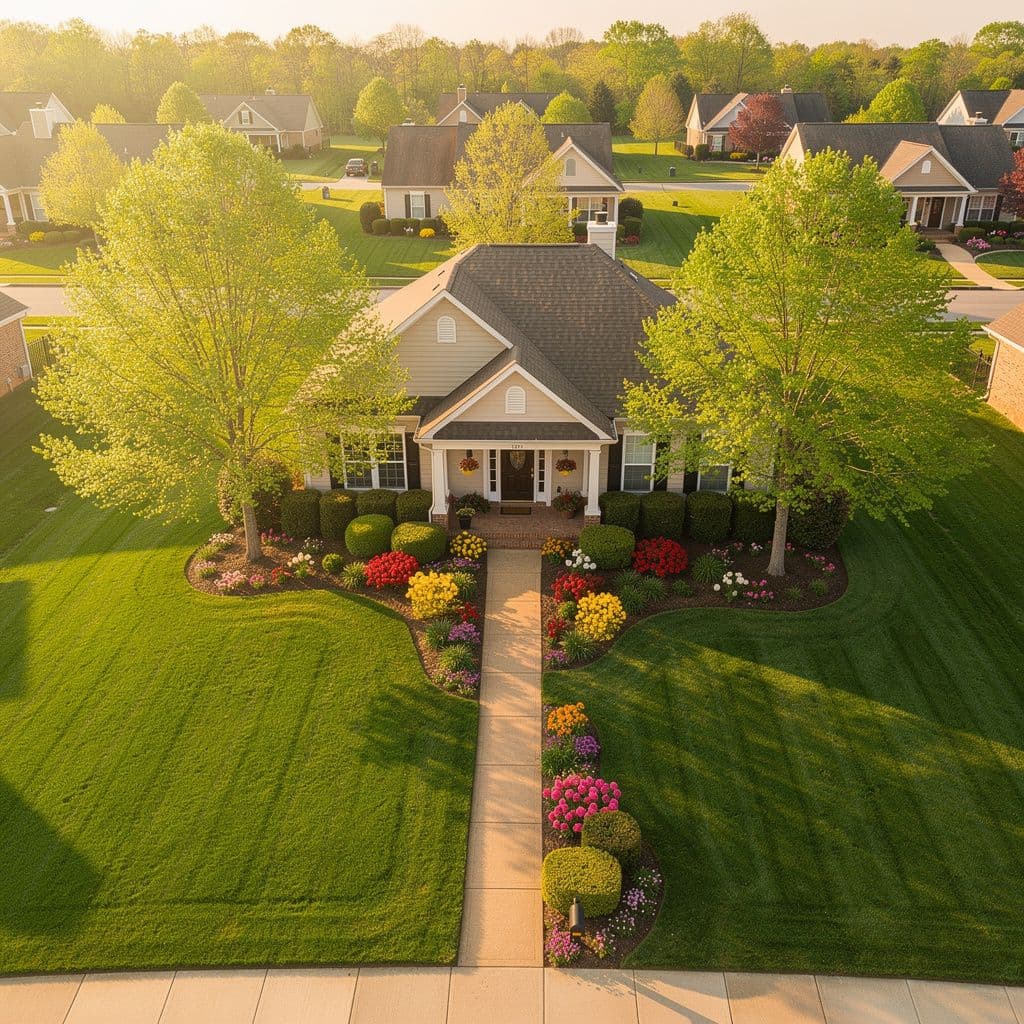
Lawn Care Calendar 2026: Your Month-by-Month Schedule for Henry County, GA
Published: May 25, 2026
Every year, homeowners in Locust Grove, McDonough, and across Henry County ask the same questions: When should I fertilize? Is it too early to aerate? Do I need to water in winter? Should I be mowing right now?
The answers depend on where you live, what kind of grass you have, and what month it is. Georgia's climate doesn't follow the same rules as the rest of the country. Our long, hot summers and mild winters mean the lawn care calendar here looks different than it does in the Midwest or Northeast.
If you've been searching for a Georgia lawn care calendar or wondering what your lawn needs each month, this guide is for you. We've built a complete month-by-month lawn care schedule specifically for Henry County homeowners with warm-season grasses like Bermuda, Zoysia, and Centipede — the grasses that thrive in our area.
Whether you handle your own lawn care or work with a professional service, this calendar tells you exactly what needs to happen and when. No more guessing. No more missed timings. Just a clear plan for keeping your lawn healthy, green, and weed-free all year long.
Why Timing Matters More Than You Think
Lawn care isn't a set-it-and-forget-it task. Every treatment — from fertilization to weed control to aeration — has an optimal window. Miss that window, and you either waste money on ineffective treatments or create new problems.
Fertilizing too early in spring pushes growth before roots are ready, wasting nutrients and weakening the grass. Applying pre-emergent too late means crabgrass seeds have already germinated and you're fighting a losing battle. Aerating at the wrong time can actually damage your lawn instead of helping it.
Henry County's warm-season grasses follow a specific growth cycle tied to soil temperature. Understanding that cycle is the key to getting the timing right on every treatment.
Warm-Season Grass Growth Cycle
Warm-season grasses (Bermuda, Zoysia, Centipede, St. Augustine) grow actively when soil temperatures stay above 65°F. Here in Henry County, that typically means:
- Dormant season: November through March (brown or straw-colored)
- Green-up: Late March through April
- Active growth: May through September
- Transition to dormancy: October through November
Everything on this calendar is timed to work with that cycle, not against it.
January: Planning and Preparation
Most Henry County lawns are fully dormant in January. Your grass is brown, growth has stopped, and it might seem like there's nothing to do. But January is actually one of the most important months on the calendar — it's when you set up the entire year.
What to Do
- Review last year's lawn performance. What worked? Where did weeds break through? Did any areas struggle with disease or drought? Write it down.
- Soil test. If you haven't tested your soil in the past two years, January is the time. The University of Georgia Cooperative Extension offers affordable soil testing. Results tell you exactly what nutrients your lawn needs and whether your pH needs adjusting.
- Service your equipment. Sharpen mower blades, change oil, replace air filters, and inspect belts. Dull blades tear grass instead of cutting it cleanly, creating stress points that invite disease.
- Plan your treatment schedule. Map out fertilizer applications, pre-emergent timing, and aeration for the year. Having a plan prevents missed windows.
- Get on a professional's schedule. If you're hiring a lawn care service, January is when the best companies fill their spring routes. Waiting until March often means getting on a waitlist.
What NOT to Do
- Don't apply fertilizer — grass is dormant and can't absorb it
- Don't water unless there's an extended dry spell with no rain
- Don't walk on frost-covered grass — it damages the blades
February: Pre-Season Prep
February is still dormancy season in Locust Grove and McDonough, but the clock is ticking toward spring. This is your last chance to get pre-season tasks done before the rush begins.
What to Do
- Order supplies. Pre-emergent herbicide, fertilizer, grass seed for bare spots — get it all now before stores sell out in March.
- Clean up winter debris. Fallen branches, leaves, and trash that accumulated over winter. A clean lawn recovers faster in spring.
- Inspect for winter damage. Look for areas that may have developed disease or drainage problems during winter rains.
- Schedule aeration. If you didn't aerate last fall, get on the schedule for late spring. Aeration relieves compaction in our heavy Henry County clay soil.
- Prune trees and shrubs. While plants are dormant, it's the safest time to prune. Removing low branches improves sunlight reaching your lawn.
March: Spring Green-Up Begins
March is when things start happening in Henry County. Soil temperatures begin climbing above 55°F. Warm-season grasses start breaking dormancy. This is the month where proper timing makes or breaks your entire year.
What to Do
- Apply pre-emergent herbicide (first application). This is the single most important treatment of the year. Pre-emergent prevents summer annual weeds like crabgrass from germinating. Apply when soil temperatures reach 55°F for 3-4 consecutive days — usually mid-to-late March in Henry County.
- Begin light mowing. Once grass starts greening up, mow at a low setting to remove dead material and encourage new growth. Don't scalp — just remove the top layer of brown winter growth.
- Clean up landscape beds. Refresh mulch, trim edges, and define borders between beds and lawn. Our landscaping services can handle this efficiently.
- Check irrigation systems. Test sprinkler heads, check for leaks, and adjust coverage. You'll need working irrigation before summer arrives.
What NOT to Do
- Don't fertilize yet — grass isn't actively growing and can't use the nutrients
- Don't apply post-emergent weed killer to the entire lawn — it can damage new growth
- Don't overwater — spring rainfall usually provides adequate moisture
April: Growth Kicks Into Gear
April is when Henry County lawns really wake up. Soil temperatures consistently stay above 65°F. Bermuda and Zoysia grass begin aggressive top growth. The lawn is transitioning from dormant brown to vibrant green.
What to Do
- Apply spring fertilizer. Now that grass is actively growing, it's time to feed it. Use a balanced fertilizer with nitrogen to promote green, healthy growth. For Bermuda grass, a 3-1-2 or 4-1-2 ratio works well.
- Apply second round of pre-emergent. A follow-up application 6-8 weeks after the first extends your crabgrass protection through summer. This two-application approach is significantly more effective than a single treatment.
- Raise mowing height. As grass enters active growth, raise your mowing height to the recommended level for your grass type. Bermuda: 1-2 inches. Zoysia: 1.5-2.5 inches. Centipede: 1.5-2 inches.
- Spot-treat broadleaf weeds. Dandelions, clover, and other broadleaf weeds emerge in spring. Spot-treat with a post-emergent herbicide rather than blanket-spraying the entire lawn.
- Address bare spots. April is a good time to address thin or bare areas. For warm-season grasses, sod or plugging works better than seeding in spring.
May: Peak Growing Season Begins
May is prime time for lawn care in Henry County. Grass is growing at full speed, soil temperatures are ideal, and the growing season is in full swing. This is when your lawn looks its best — and when the work really matters.
What to Do
- Begin regular mowing schedule. Warm-season grasses need weekly mowing during peak growth. Never remove more than one-third of the blade height in a single mowing. Professional lawn mowing service keeps your grass at the optimal height consistently.
- Aerate the lawn. Core aeration relieves compaction in Henry County's heavy clay soil, allowing water, nutrients, and oxygen to reach the root zone. May is an ideal time because grass is actively growing and recovers quickly.
- Apply second fertilizer application. Six weeks after your spring application, it's time for another round. This sustains the growth momentum through the hottest months.
- Monitor for pests. Chinch bugs, sod webworms, and other lawn pests become active in May. Early detection prevents major damage.
- Adjust watering schedule. As temperatures rise, increase irrigation frequency. Lawns need about 1-1.5 inches of water per week, either from rain or irrigation.
June: Summer Maintenance Mode
June marks the start of the challenging season. Temperatures climb into the 90s, humidity soars, and your lawn faces stress from heat, drought, and increased pest activity. The focus shifts from promoting growth to maintaining health.
What to Do
- Maintain mowing frequency. Continue weekly mowing, but consider raising the cutting height slightly (half an inch) to provide more shade for the soil and reduce water loss.
- Deep, infrequent watering. Water deeply 2-3 times per week rather than shallow daily watering. Deep watering encourages deeper root growth, which makes grass more drought-tolerant.
- Apply grub preventive. June is when grub eggs hatch in Henry County. Apply a grub preventive treatment now to stop damage before it starts. Grubs feed on grass roots and can destroy large sections of lawn by late summer.
- Watch for disease. High humidity and heat create perfect conditions for fungal diseases like brown patch and dollar spot. If you see circular patches of discolored grass, call a professional for proper diagnosis and treatment.
- Spot-treat weeds. Summer weeds like nutsedge and spurge emerge in June. Treat them promptly before they spread.
What NOT to Do
- Don't fertilize with high-nitrogen products during heat waves — it can burn the lawn
- Don't mow during the hottest part of the day — wait until early morning or evening
- Don't overwater — soggy soil promotes disease
July: Surviving the Heat
July is typically the hottest month in Georgia. Daytime temperatures regularly exceed 95°F, and nighttime temperatures often stay above 75°F. Your lawn is in survival mode, and your job is to help it through.
What to Do
- Focus on watering. Deep watering in the early morning (5-8 AM) is most effective. Avoid evening watering, which leaves grass wet overnight and promotes fungal disease.
- Reduce foot traffic. Stressed grass is more susceptible to damage from foot traffic. Keep kids' play areas, pet paths, and party setups away from the most stressed sections of your lawn.
- Skip fertilizer. Most warm-season grasses slow their growth during extreme heat. Applying fertilizer now pushes growth the grass can't sustain, causing more stress.
- Monitor for chinch bugs. These pests thrive in hot, dry weather and can destroy a lawn in days. Look for irregular patches of yellowing grass, especially near driveways and sidewalks where heat reflects.
- Consider a light application of iron. If your lawn is losing its green color but is otherwise healthy, an iron supplement can restore color without pushing growth.
August: Late Summer Push
August is still brutally hot, but the end is in sight. By late August, temperatures begin to moderate slightly, and your lawn starts recovering from summer stress.
What to Do
- Apply late-summer fertilizer. As temperatures begin to drop, a light fertilizer application helps the lawn recover from summer stress and rebuild energy reserves before fall.
- Continue pest monitoring. Fall armyworms can devastate a lawn in August and September. These pests arrive in waves and can strip a lawn overnight. Early detection and treatment is critical.
- Prepare for fall aeration. If you're planning fall aeration (recommended for Henry County's clay soil), schedule it now for September or October.
- Treat persistent weeds. Late summer is a good time to tackle tough perennial weeds like dallisgrass and wild violets while they're still actively growing and susceptible to treatment.
- Check irrigation coverage. Make sure all areas of the lawn are receiving adequate water. Summer heat often reveals weak spots in irrigation coverage.
September: Fall Transition
September is a transition month in Henry County. Temperatures begin to drop into the 80s, humidity decreases, and warm-season grasses start slowing their growth rate. This is a critical month for setting up a healthy lawn next year.
What to Do
- Apply fall pre-emergent. Just like the spring application, fall pre-emergent prevents winter weeds (annual bluegrass, henbit, chickweed) from germinating. Apply when soil temperatures drop to around 70°F — usually mid-September in Henry County.
- Aerate the lawn. Fall aeration is ideal for Henry County. It relieves summer compaction and allows fall treatments to penetrate the root zone. Follow up with overseeding for thin areas if needed.
- Apply fall fertilizer. A potassium-rich fertilizer helps strengthen roots for winter. Potassium improves cold tolerance and disease resistance — critical for surviving Georgia's occasional hard freezes.
- Begin reducing mowing frequency. As growth slows, you can shift to every 10-14 days instead of weekly.
- Overseed bare spots. For bare or thin areas, early fall is the best time for establishment. Warm soil and cooling air temperatures create ideal germination conditions.
October: Preparing for Dormancy
October brings cooler temperatures and the first signs of dormancy in warm-season grasses. Growth slows significantly, and your lawn begins its transition to winter brown.
What to Do
- Keep mowing as needed. Don't stop mowing just because growth has slowed. Continue cutting at the recommended height until the grass stops growing.
- Apply winterizer fertilizer. A final fertilizer application high in potassium helps the grass store energy for winter survival. This is one of the most beneficial treatments of the entire year.
- Address drainage issues. Before winter rains arrive, fix any standing water or drainage problems. Poor drainage leads to disease and winterkill.
- Rake leaves. Don't let leaves accumulate on the lawn. A mat of wet leaves blocks sunlight and traps moisture, creating perfect conditions for disease. Our leaf removal service can handle this for you.
- Clean and store seasonal equipment. If you handle your own mowing, start winterizing your mower and other equipment.
November: Final Preparations
November is the last month of active lawn management before full dormancy. Most warm-season grasses in Henry County are fully brown or nearly so by mid-November.
What to Do
- Final mowing. Give the lawn one last cut at the normal height. Don't scalp it — leaving some growth provides winter insulation for the crown.
- Complete leaf removal. Make sure all fallen leaves are cleared before winter sets in. Leaves left on the lawn through winter can smother grass and create dead patches.
- Winterize irrigation. If you have an irrigation system, blow out the lines or shut it down properly to prevent freeze damage.
- Apply lime (if needed). If your spring soil test showed acidic soil, fall/winter is the time to apply lime. It takes months to affect pH, so applying now means results by spring.
- Plan for next year. Review what worked and what didn't. Make notes for adjustments to next year's calendar.
December: Dormancy and Rest
December is the quietest month on the lawn care calendar. Your lawn is fully dormant, and there's minimal active management needed. But there are still a few things to keep in mind.
What to Do
- Stay off the lawn when frozen. Walking on frost-covered or frozen grass damages the blades and can kill the crown in extreme cases.
- Monitor for winter weeds. Some weeds like annual bluegrass germinate in fall and grow through winter. Spot-treat on a warm day (above 50°F) if weeds are visible.
- Protect from salt damage. If you use de-icing products on walkways, keep them away from grass areas. Salt damage shows up as dead strips along edges in spring.
- Enjoy the break. Use December to relax, review your notes from the year, and start planning for the next growing season.
Quick Reference: The 2026 Lawn Care Calendar at a Glance
| Month | Key Tasks |
|-------|-----------|
| January | Soil test, service equipment, plan schedule |
| February | Order supplies, clean debris, schedule aeration |
| March | Pre-emergent #1, light mowing, check irrigation |
| April | Fertilize, pre-emergent #2, raise mowing height |
| May | Weekly mowing, aerate, fertilize #2, monitor pests |
| June | Grub preventive, deep watering, watch for disease |
| July | Focus on watering, skip fertilizer, monitor chinch bugs |
| August | Late-summer fertilizer, pest monitoring, plan fall aeration |
| September | Fall pre-emergent, aerate, fall fertilizer, overseed |
| October | Winterizer fertilizer, leaf removal, fix drainage |
| November | Final mowing, leaf removal, winterize irrigation, apply lime |
| December | Stay off frozen grass, spot-treat winter weeds, plan next year |
Do You Really Need to Do All of This?
Honestly? It depends on your expectations for your lawn.
If you want a golf-course-quality yard, then yes — following a calendar like this is essential. Every treatment matters, and skipping even one window can create problems that take months to fix.
If you just want a decent-looking lawn that doesn't embarrass you in the neighborhood, you can simplify:
The minimum viable lawn care schedule:
- Pre-emergent in spring (March) — prevents most weeds
- Regular mowing during growing season (May-October)
- Fertilizer 2-3 times per year (April, June, September)
- Water during dry spells
- Leaf removal in fall
That's it. Five things. Most homeowners can handle that, or they can hire a property maintenance service to handle it for them.
The full calendar above is for homeowners who want their lawn to be a genuine asset — something that adds value to their property and pride to their home. If that's you, the investment of time (or money in a professional service) pays for itself in property value, reduced repair costs, and a lawn you actually enjoy.
Why Henry County Homeowners Trust Hedgecoth Property Solutions
Following a lawn care calendar takes time, knowledge, and consistency. Most homeowners in Locust Grove, McDonough, Stockbridge, and Jonesboro don't have the time to manage a 12-month lawn care schedule on top of everything else life demands.
That's where we come in. Hedgecoth Property Solutions has been managing lawns across Henry County for years. We know the local soil, the local weather patterns, and the exact timing every treatment needs. We don't guess — we follow a proven schedule refined through real experience in Henry County.
Our monthly plans handle everything on this calendar automatically. Pre-emergent goes down at the right time. Fertilizer hits when the grass can actually use it. Aeration happens when recovery is fastest. You don't have to track dates or worry about missing windows.
Ready to take your lawn off your to-do list? Call us at 770-490-9519 or visit our contact page to schedule a free consultation. We'll assess your lawn, build a custom treatment plan, and handle the entire 2026 calendar for you.
Frequently Asked Questions
When should I start lawn care in Henry County, GA?
Lawn care for warm-season grasses in Henry County begins in earnest in March with pre-emergent herbicide applications. However, January and February are important planning and preparation months. Soil testing, equipment maintenance, and supply purchasing should happen during winter dormancy so you're ready when spring green-up begins.
How often should I mow my lawn during summer in Georgia?
During peak growing season (May through September), warm-season grasses in Henry County typically need mowing every 5-7 days. Weekly mowing is the standard. Never remove more than one-third of the grass blade height in a single mowing — removing more stresses the grass and makes it vulnerable to weeds, disease, and drought damage.
What's the most important lawn care treatment of the year?
For Henry County homeowners, the single most impactful treatment is spring pre-emergent herbicide applied in mid-to-late March when soil temperatures reach 55°F. This prevents crabgrass and other summer annual weeds from germinating. Skipping pre-emergent means fighting weeds all summer instead of preventing them. The second most important treatment is fall pre-emergent in September.
Do I need to water my lawn in winter?
Generally, no. Henry County's winter precipitation usually provides adequate moisture for dormant warm-season grasses. Only water during extended dry periods (two or more weeks without rain) when temperatures are above freezing. Overwatering dormant grass promotes fungal diseases like large patch.
Can I apply fertilizer and pre-emergent at the same time?
It depends on the timing. In April, when grass is actively growing, you can apply a fertilizer and pre-emergent combination product (often called "weed and feed"). However, in March when you apply your first pre-emergent, grass isn't actively growing yet and can't use the fertilizer. Apply pre-emergent alone in March, then combine with fertilizer in April.
How do I know if my lawn needs aeration?
If your lawn has heavy clay soil (common throughout Henry County), gets heavy foot traffic, or puddles after rain, it likely needs aeration. Other signs include thin or weak grass, water running off instead of soaking in, and difficulty pushing a screwdriver into the soil. Most Henry County lawns benefit from aeration once or twice per year — once in late spring (May) and optionally again in fall (September).